Work Classification: Urbanism

  • UIA 2026: Deconstructing Myths

    UIA 2026: Deconstructing Myths

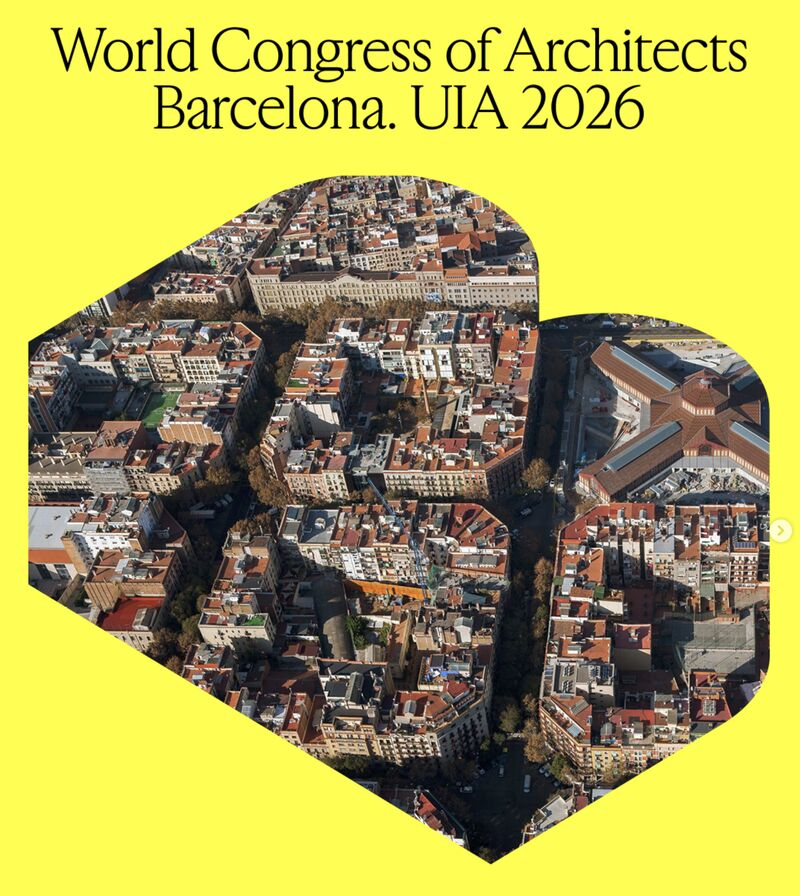
    Deconstructing Myths proposes a critical framework for reconsidering recurring narratives in architecture and urbanism. Developed as a congress concept for the UIA World Congress Barcelona 2026, it argues that many disciplinary concerns -sustainability, technology, social responsibility, urban justice, architectural education and the future of cities – have repeatedly returned in UIA congresses for decades, often without fundamentally changing practice.

    Taking Barcelona as both a historical reference and an active laboratory of urban transformation – a city that has become both a model and a myth, continuously reproduced, amplified and preserved through powerful processes of branding and representation, the proposal argues that, precisely as host of the UIA World Congress 2026, Barcelona is uniquely positioned to initiate a broader critical reassessment of architectural and urbanistic myths. Its own capacity to construct and disseminate influential urban narratives becomes the starting point for questioning established assumptions, inherited models and contemporary orthodoxies across the discipline. The aim of the congress is not simply to debunk myths, but to replace them with more grounded, socially relevant and intellectually rigorous approaches to architecture and urban development.
  • Beach as a City

    Beach as a City

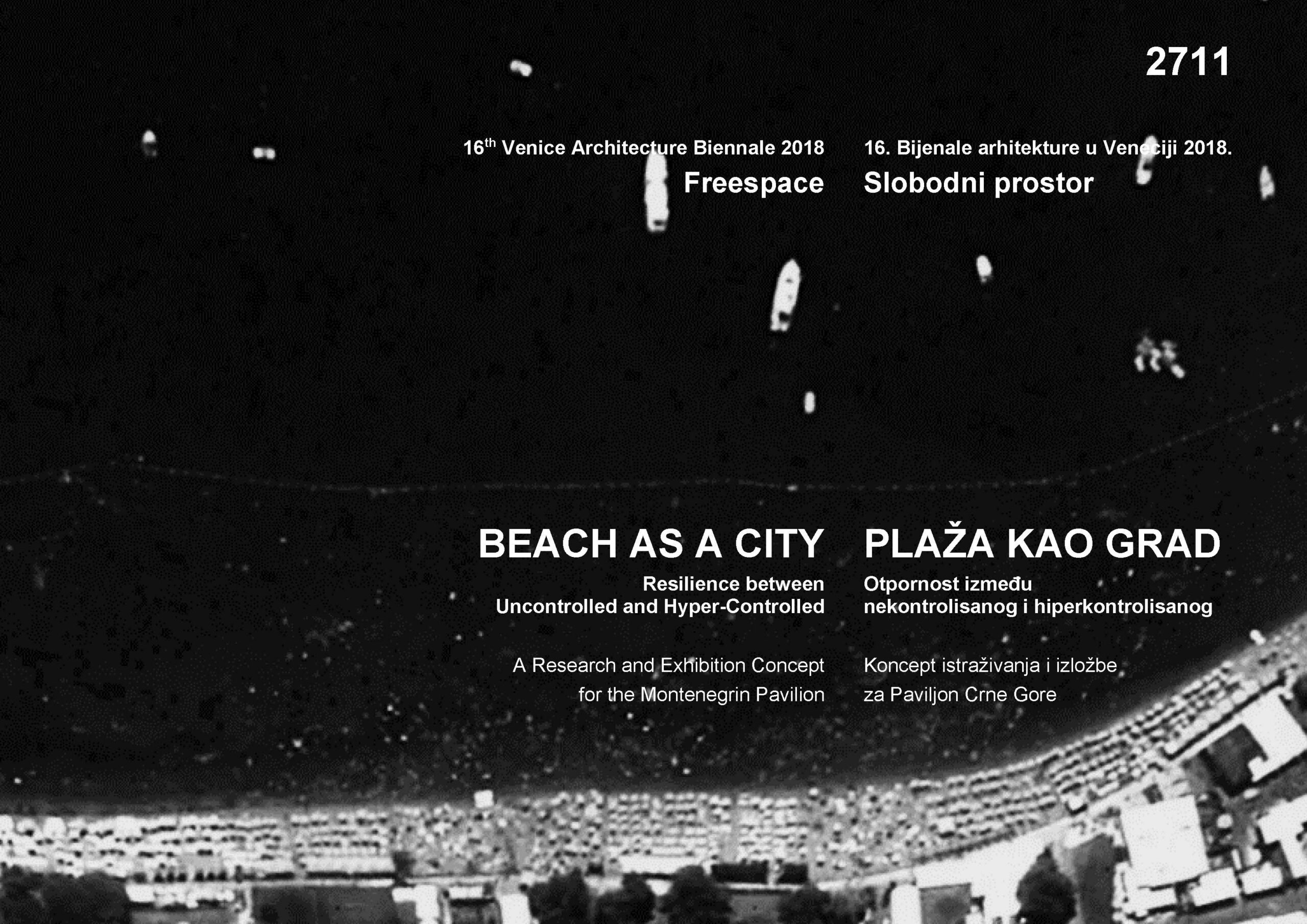
    Beach is an ultimate freespace: opened to everyone, democratic, it is a place of socializing and connecting with nature and its elements. Urban beaches go even further. In the encounter of the water and the city, they mirror all social and urban transformations. These public spaces, where the modern ideals of equality and healthy lifestyle were meeting and being fulfilled, have dramatically changed in Montenegro in the past decades. They turned into places of consumption and exclusivity, their accessibility diminishing rapidly and their capacity effectively decreasing to less than a third.

    At the same time, the massive uncontrolled urban development increased manifold the size and density of the coastal towns, creating around the original nuclei an urban tissue without identity, order, structure, infrastructure – nor public space. In addition, the old model of tourism, where the public and tourist spaces and interests were shared, has been substituted with the neoliberal one. It creates an impossible tension between the living towns and the hypercontrolled, enclosed resorts, privatizing the shared freespace and blocking a comprehensive urban experience from the citizens and tourists likewise.

    How can a town live without public space? How to be on the coast without the sea? How can the beach tourism grow without beaches? How to be an ecological state without nature in the towns? How is it possible that one society gives up its urbanity and future? Its youth and its health? How to build resilience in (and to) such a situation? A lusophone definition of urban beaches as ‘yellow squares’ (praças amarelas) indicates a possible answer to many questions that arise from these contradictions: the role the beaches in the Montenegrin coastal towns still may recover and advance to become bearers of urban resilience.

    Mila Nikolić

  • Ljubljana Cultural Infrastructure

    Ljubljana Cultural Infrastructure

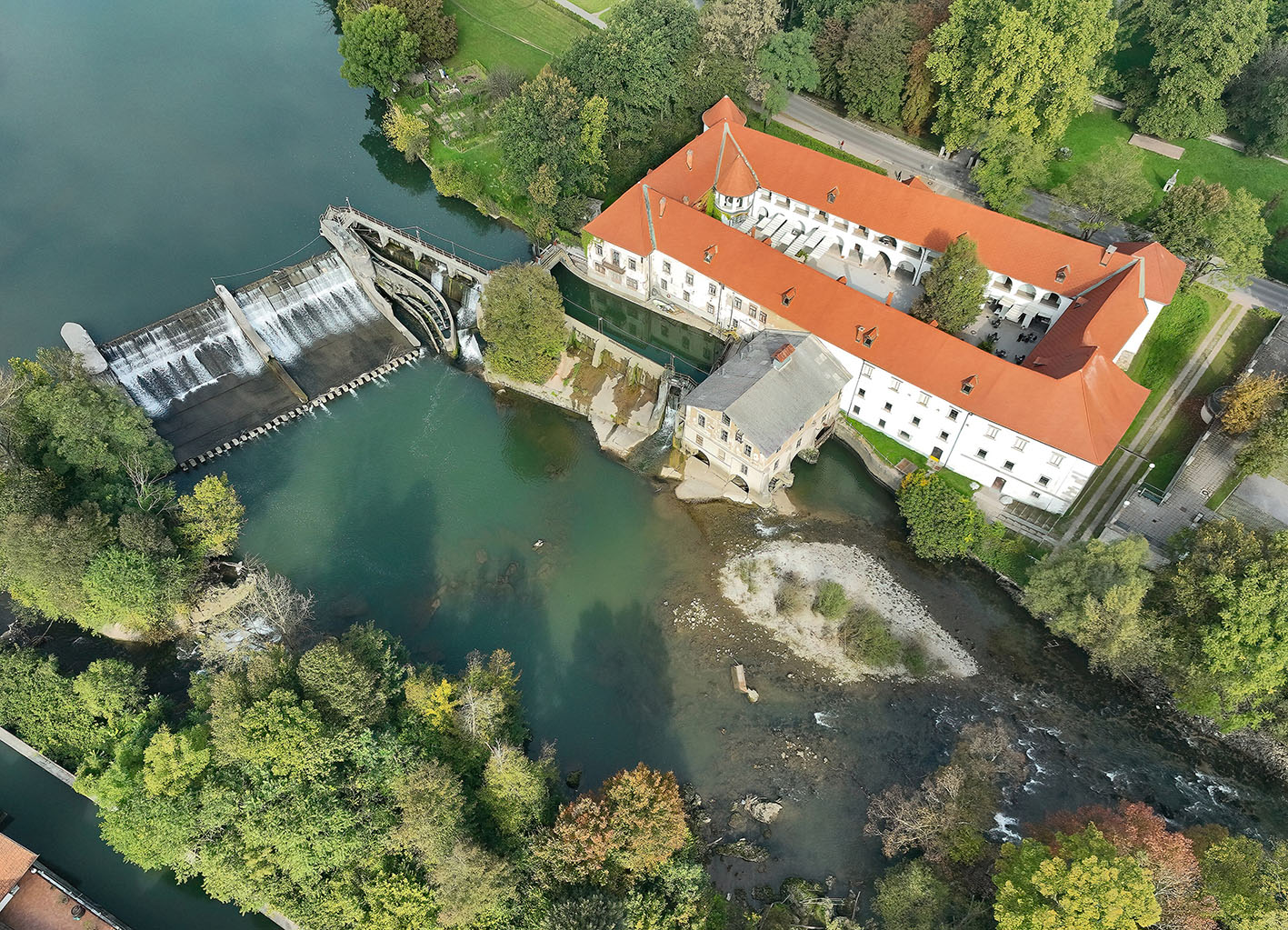
    This proposal examines Ljubljana as a compact and legible cultural infrastructure system in which museums, universities, public space, and landscape operate as a continuous urban framework. Developed for the Museum of Architecture and Design (MAO) and the BIO 29 Biennial of Design, the project approaches cultural infrastructure as a soft spatial system through which knowledge, memory, and collective life are organised and maintained.

    Using MAO as a strategic point of entry, the proposal investigates how cultural institutions, pedestrian corridors, river landscapes, and green systems structure urban continuity and civic experience. It treats the city not as a collection of isolated institutions, but as an interconnected cultural field, and proposes methods for mapping and interpreting these relationships through exhibition and design research.

    Conceived as both a local case and a transferable model, the project opens toward a broader question: how cultural infrastructure can help articulate natural and industrial landscapes as part of a shared territorial understanding.

  • Sabadell Cultural Plan

    Sabadell Cultural Plan


    Developed as a strategic framework for the City of Sabadell, this project reinterpreted the city’s dispersed cultural institutions, public spaces, and educational facilities as a coherent cultural infrastructure system. Through the creation of thematic urban routes and coordinated cultural programming, the proposal connected museums, archives, industrial heritage sites, and public spaces into a continuous spatial and educational network. Rather than introducing new buildings, the framework activated existing cultural and urban assets, transforming the city itself into a legible cultural landscape and establishing cultural infrastructure as a tool for urban cohesion, identity, and public engagement.

  • Bahrain University City

    Bahrain University City

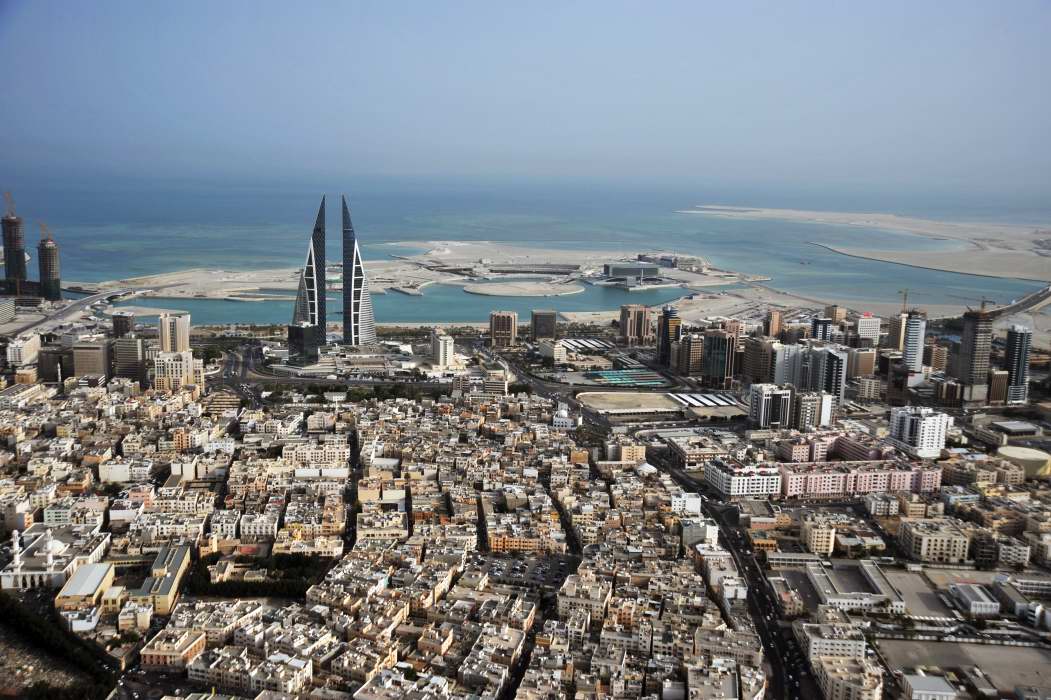
    The project for the University City, located on a hypothetical site in Bahrain, draws inspiration from the urban structure of Belgrade, on the confluence of the Danube and the Sava, and the Free University of Berlin (Candilis, Josić, Woods and Scheidhelm). The new city master plan is a superposition of a European city and an Arabic casbah inspired mat, a play of the positive and the negative, conceived around and structured by different kinds of flows: the flows of knowledge, ideas, energy, and people.

    A shaded central esplanade, like a dry river bed, brings back life to the desert, and like the Jardín del Turia in Valencia, concentrates the cultural infrastructure – the university campus, museums, mosque, sports facilities – and other city services, generating not only the public and cultural life, but also the energy for its functioning. It gives to the city urban form, identity and structure, organizing it in three dense quarters, accessible on foot, with diverse residential mixes and typologies and different personalities.


  • Museums of Vojvodina

    Museums of Vojvodina

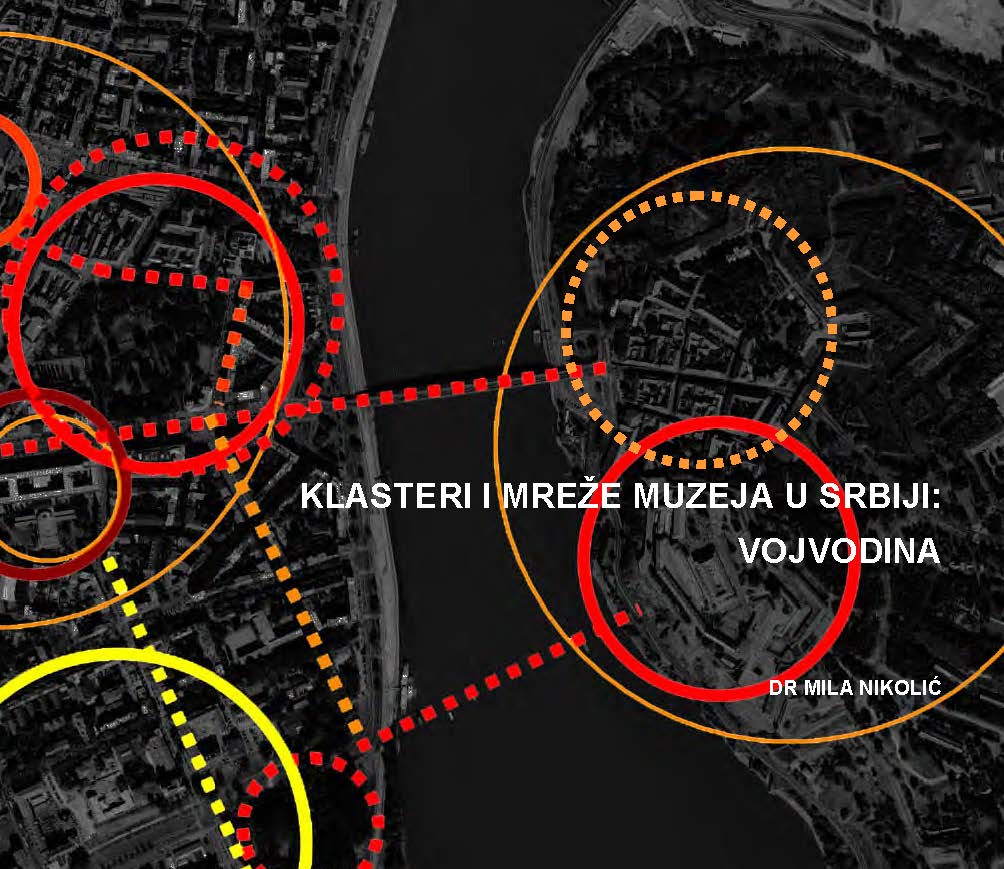
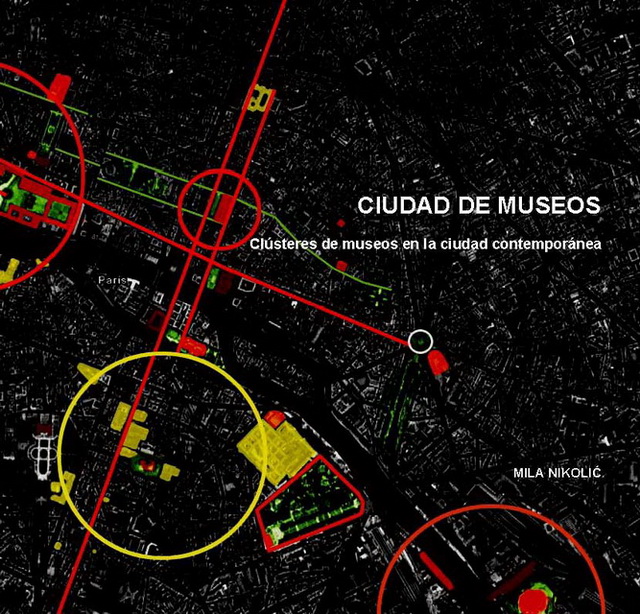
    Abstract | In its intensive development in recent decades, the museum has become a symbol of industrialization of culture and culturalisation of social life, economy and urban planning. Not only has it taken the place of industry in the post-modern city – functionally, and often also physically, in abandoned industrial complexes, but it has gradually adopted its spatial behaviour and logic of clustering and networking too, which is the subject of my research. After an extensive doctoral study on the global phenomenon of museum clusters and networks, in this study I focused on their potential in the region that was effectively bypassed by the museum boom and instead constant economic, political and social crisis were going on.

    Stressing the importance of the “museum cluster effect” in the post-Bilbao and (post)crisis era, the study examines the macro-level of cultural urbanism in the cities of Serbia. It maps clusters, routes and networks of museums and other cultural institutions and spaces that support them, analyzing their role and potential in urban and regional development.

    Keywords | museum, cluster, network, cultural urbanism, urban curating, contemporary city, public space, Serbia, Vojvodina

  • City of Museums

    City of Museums

    Abstract | In our culture the museum occupies a privileged place symbolically, but also physically, in the city. And not only does it occupy it, but it creates it, defines it, changes it and gives it meaning. This thesis demonstrates that that place is in the museum cluster. And in the cluster, out of which it becomes almost impossible to contemplate the museum, the museum is changing; the meaning and the importance of its basic aspects are changing. My hypothesis is that in the museum project the urbanistic aspect – its place and relationship with the city – takes precedence over its museographic and architectonic aspects.

    Through a historical, comparative and critical analysis of these four dimensions of the place of museums, in the four chapters, the dissertation proves the hypothesis, as well as the theory of the locus genii, showing the fundamental role of the museum cluster as a force that organizes, generates and transforms the museum system and the urban system. It demonstrates that the museum boom, by creating, changing, and emphasizing museum clusters, represents a revolution in the relationship and conception of the museum and of the city.

    Although the study includes a wider historical and geographic space to demonstrate the extension of this still little investigated and insufficiently well-known phenomenon, the accent is on the transformations of the museums and their clusters and systems during last three decades, in the principal European cities, including also the remarkable cases from other continents that suggest the possible directions of future development.

    Keywords | cultural infrastructure, museum cluster, contemporary city, public space

    Website | museumcluster.wordpress.com

    ​

  • Resilient Belgrade

    Resilient Belgrade

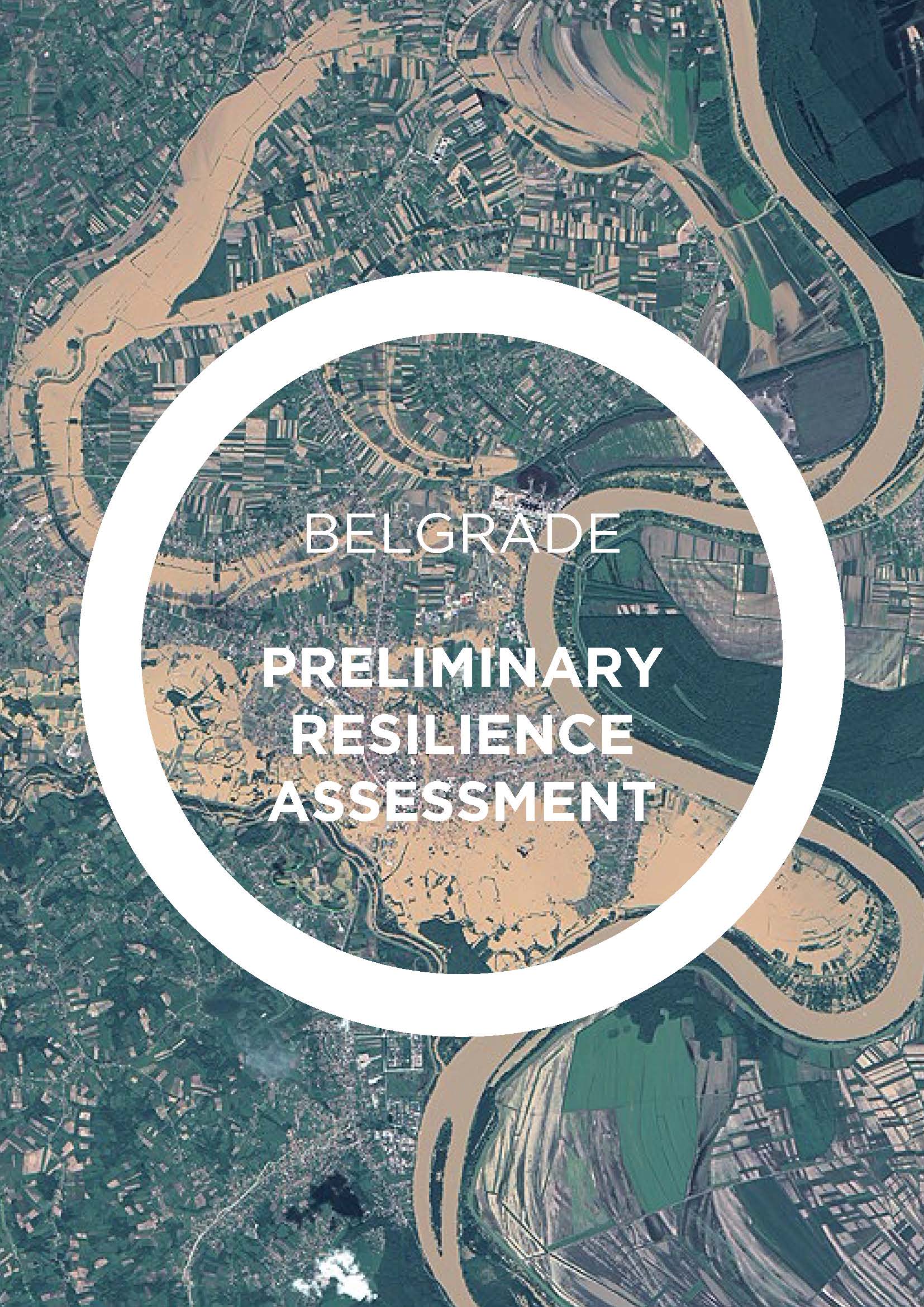
    The main basis for Belgrade entering the 100 RC program were the catastrophic floods in 2014, in combination with a wider context of prolonged economic, social and political instability, and an emerging migrant crisis. But our aims actually extend further. We wanted to check and measure ourselves, to be a part of the network and to learn from it. We wanted the citizens to join this work and be inspired by it. We wanted to show the complexities of this city, to be reminded of its finer qualities, to highlight its great potential to overcome the hindrances and to invite broader participation in the city-making process. This is the first time in our history that a strategy is developed not just by experts, but as a common action of the city and the citizens.

    Resilient Belgrade Office Team, 2017

    Updates: Resilient Belgrade at 100 Resilient Cities

  • Ski-Park Shipilovsky Proezd

    Ski-Park Shipilovsky Proezd

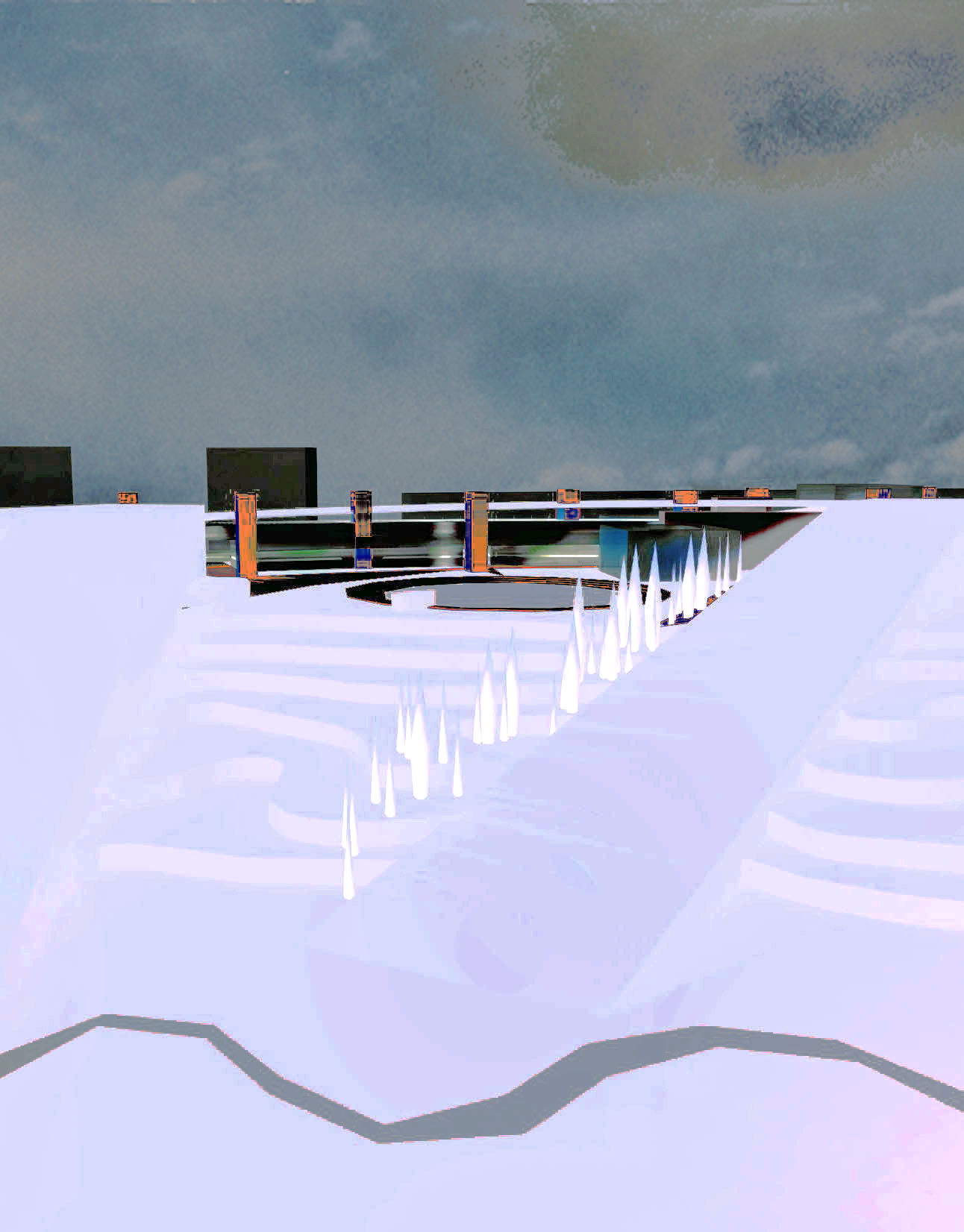
    To popularize winter sports and make them accessible to a broad population of all ages, the City of Moscow decided to create a series of basic recreational centres and public sports parks in various city areas. The proposed Ski-park is a part of the Moscow south-east green wedge, a system of specialized parks around the historical complex of Tzarichino, a monument of architecture and landscape art and one of the ecologically cleanest city areas.

    In response to the scale of residential and hotel mega-blocks on one side of Shipilovsky proezd and the Moscow Forest on the other, a huge sport and leisure complex has been conceived as a topographic movement. A strong urban gesture, which contains a ski school, restaurants, a sport and fitness centre, a hotel, a cineplex and a casino, creates a representative urban façade, sloping humbly downhill in form of ski tracks which define the central plaza, as well as the playgrounds and routes for outdoor activities. Along the river Yazvenki, which limits the site on the south, an aqua park is proposed, so that the same infrastructure can be fully used and enjoyed also in summertime.