Work Classification: Research

  • Museums of Vojvodina

    Museums of Vojvodina

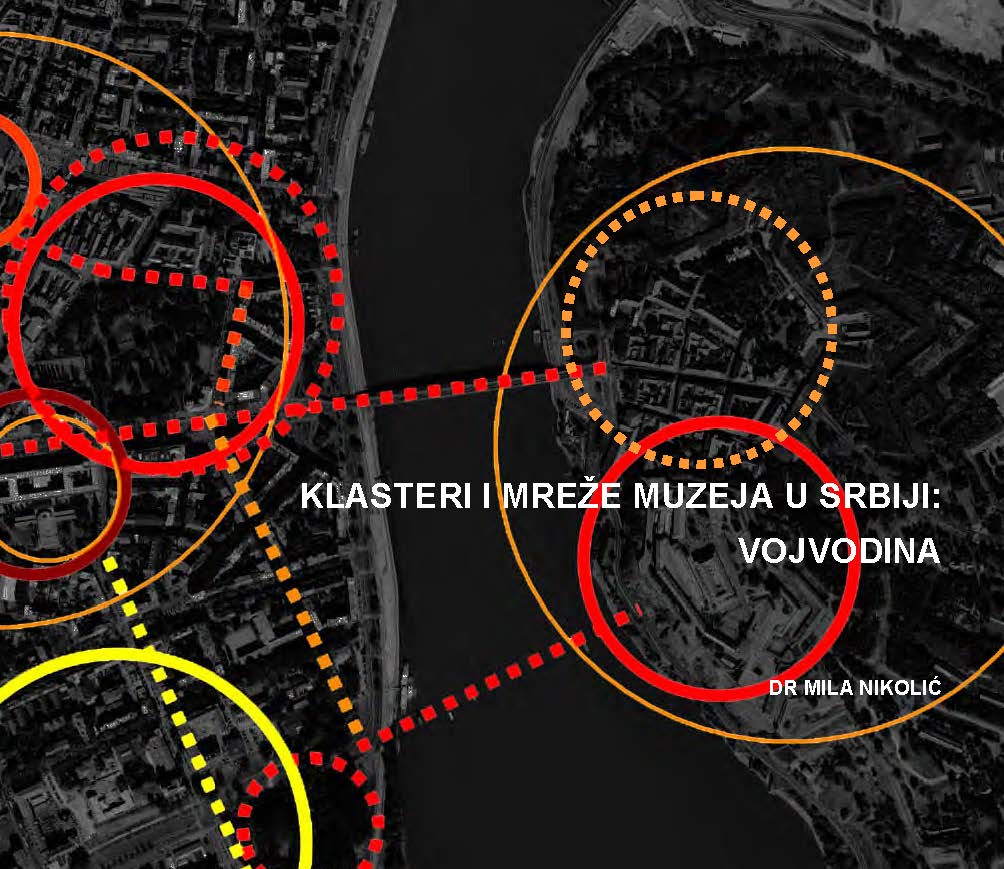
    Abstract | In its intensive development in recent decades, the museum has become a symbol of industrialization of culture and culturalisation of social life, economy and urban planning. Not only has it taken the place of industry in the post-modern city – functionally, and often also physically, in abandoned industrial complexes, but it has gradually adopted its spatial behaviour and logic of clustering and networking too, which is the subject of my research. After an extensive doctoral study on the global phenomenon of museum clusters and networks, in this study I focused on their potential in the region that was effectively bypassed by the museum boom and instead constant economic, political and social crisis were going on.

    Stressing the importance of the “museum cluster effect” in the post-Bilbao and (post)crisis era, the study examines the macro-level of cultural urbanism in the cities of Serbia. It maps clusters, routes and networks of museums and other cultural institutions and spaces that support them, analyzing their role and potential in urban and regional development.

    Keywords | museum, cluster, network, cultural urbanism, urban curating, contemporary city, public space, Serbia, Vojvodina
  • City of Museums

    City of Museums

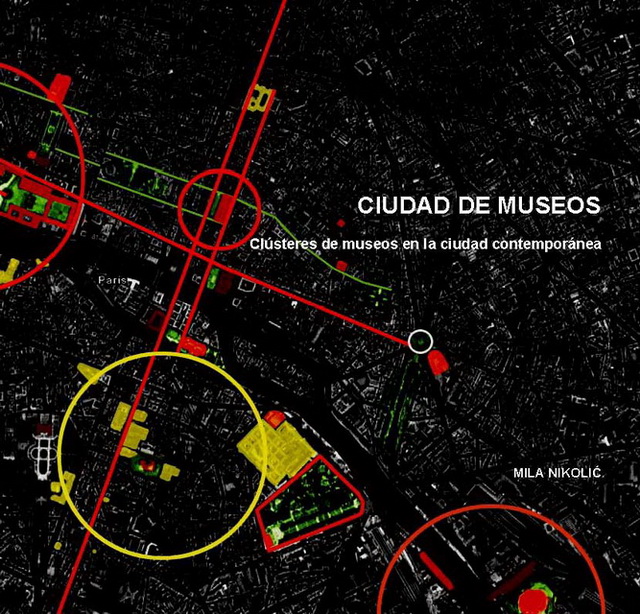
    Abstract | In our culture the museum occupies a privileged place symbolically, but also physically, in the city. And not only does it occupy it, but it creates it, defines it, changes it and gives it meaning. This thesis demonstrates that that place is in the museum cluster. And in the cluster, out of which it becomes almost impossible to contemplate the museum, the museum is changing; the meaning and the importance of its basic aspects are changing. My hypothesis is that in the museum project the urbanistic aspect – its place and relationship with the city – takes precedence over its museographic and architectonic aspects.

    Through a historical, comparative and critical analysis of these four dimensions of the place of museums, in the four chapters, the dissertation proves the hypothesis, as well as the theory of the locus genii, showing the fundamental role of the museum cluster as a force that organizes, generates and transforms the museum system and the urban system. It demonstrates that the museum boom, by creating, changing, and emphasizing museum clusters, represents a revolution in the relationship and conception of the museum and of the city.

    Although the study includes a wider historical and geographic space to demonstrate the extension of this still little investigated and insufficiently well-known phenomenon, the accent is on the transformations of the museums and their clusters and systems during last three decades, in the principal European cities, including also the remarkable cases from other continents that suggest the possible directions of future development.

    Keywords | cultural infrastructure, museum cluster, contemporary city, public space

    Website | museumcluster.wordpress.com

    ​

  • Resilient Belgrade

    Resilient Belgrade

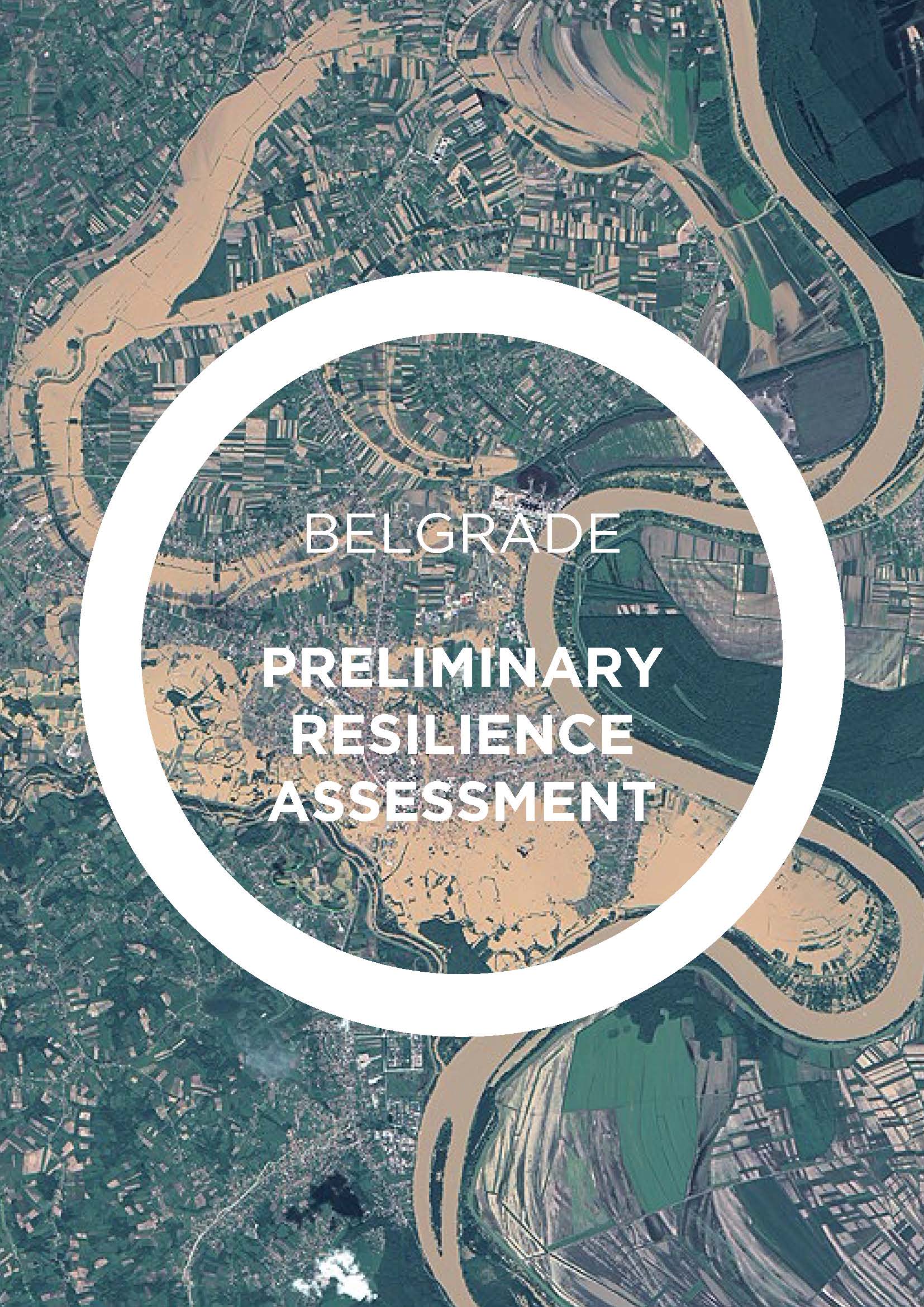
    The main basis for Belgrade entering the 100 RC program were the catastrophic floods in 2014, in combination with a wider context of prolonged economic, social and political instability, and an emerging migrant crisis. But our aims actually extend further. We wanted to check and measure ourselves, to be a part of the network and to learn from it. We wanted the citizens to join this work and be inspired by it. We wanted to show the complexities of this city, to be reminded of its finer qualities, to highlight its great potential to overcome the hindrances and to invite broader participation in the city-making process. This is the first time in our history that a strategy is developed not just by experts, but as a common action of the city and the citizens.

    Resilient Belgrade Office Team, 2017

    Updates: Resilient Belgrade at 100 Resilient Cities